
Reproductive System
This the biological system made up of all the anatomical organs involved in sexual reproduction. Many non-living substances such as fluids, hormones, and pheromones are also important accessories to the reproductive system.
Menstrual Cycle
The menstrual cycle is counted from the first day of your period to the day before your next one begins. While its average length lasts about 28 days, it can vary from person to person.
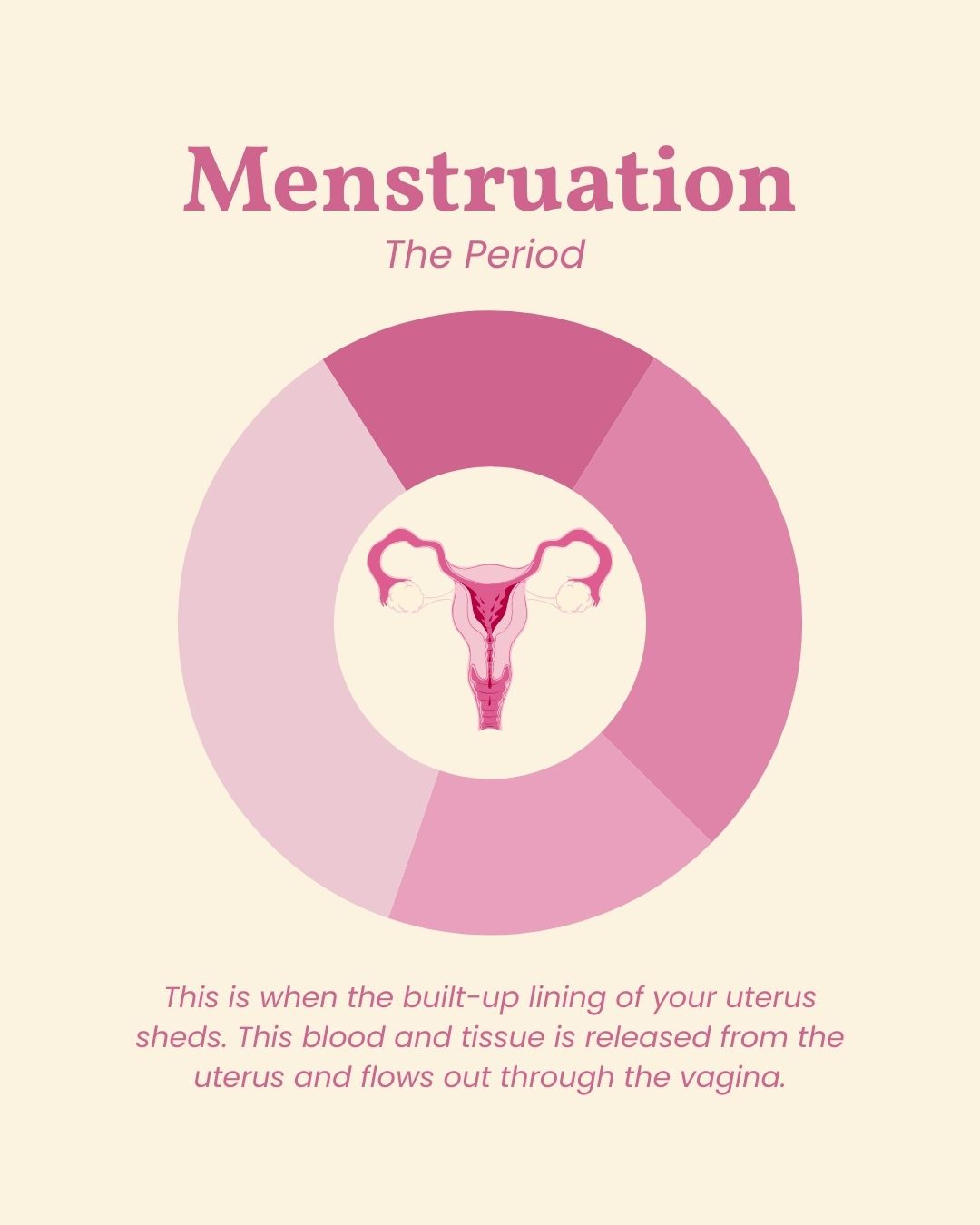
The Period
- What it is: This is when the built-up lining of your uterus sheds. This blood and tissue is released from the uterus and flows out through the vagina. This is your “period.”
- What happens: You bleed for about 3 to 7 days.
- This is the official “Day 1” of your new cycle.
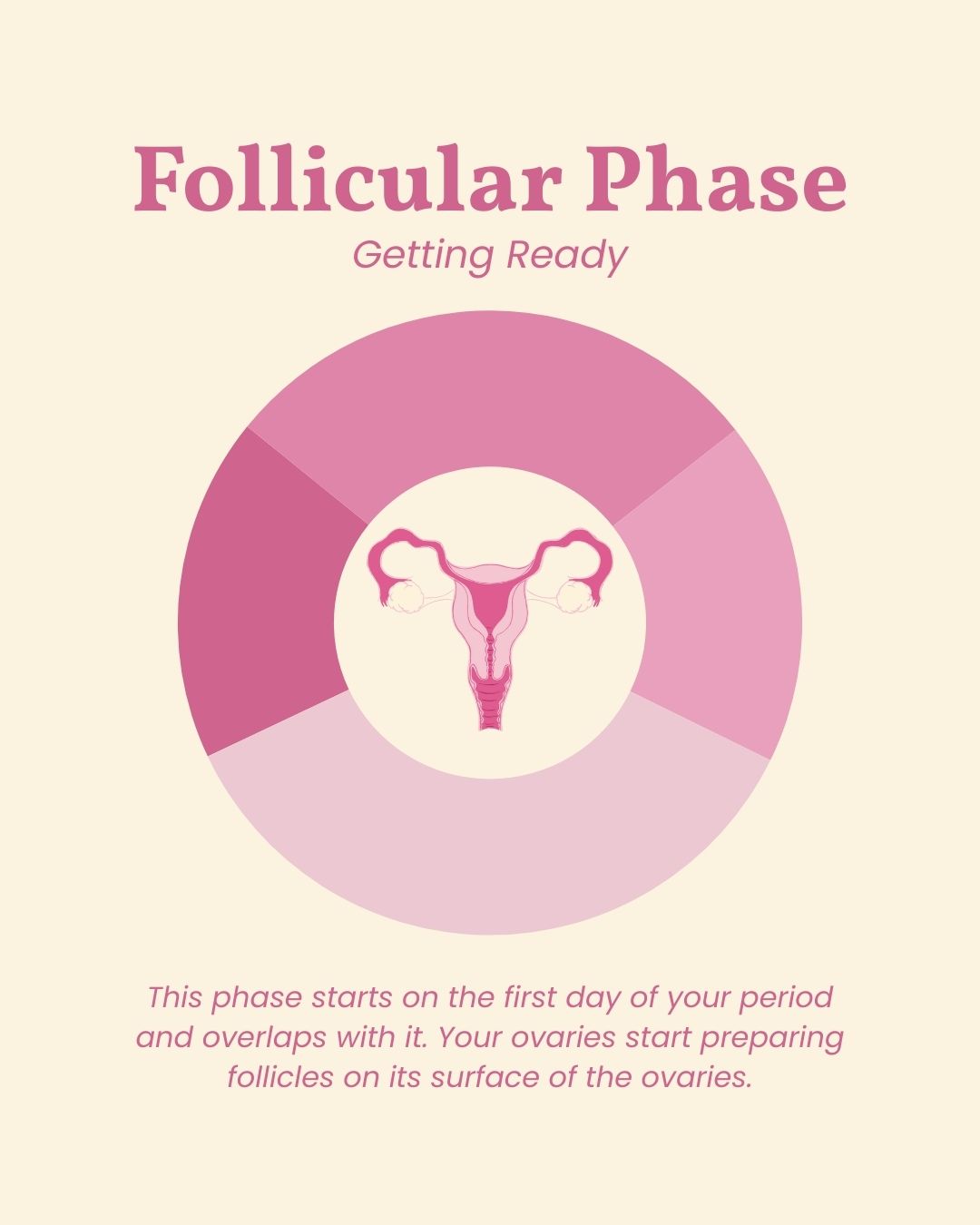
Getting Ready
- What it is: This phase starts on the first day of your period and overlaps with it, continuing for around 13 days. Your brain sends a signal to your ovaries to start preparing some tiny sacs called follicles on the surface of the ovaries. Each follicle contains an egg.
- What happens: Usually, only one follicle “wins” and matures into a ready egg. At the same time, a hormone called estrogen tells the lining of your uterus to build up again, like a soft, thick pillow for the egg to stay on.
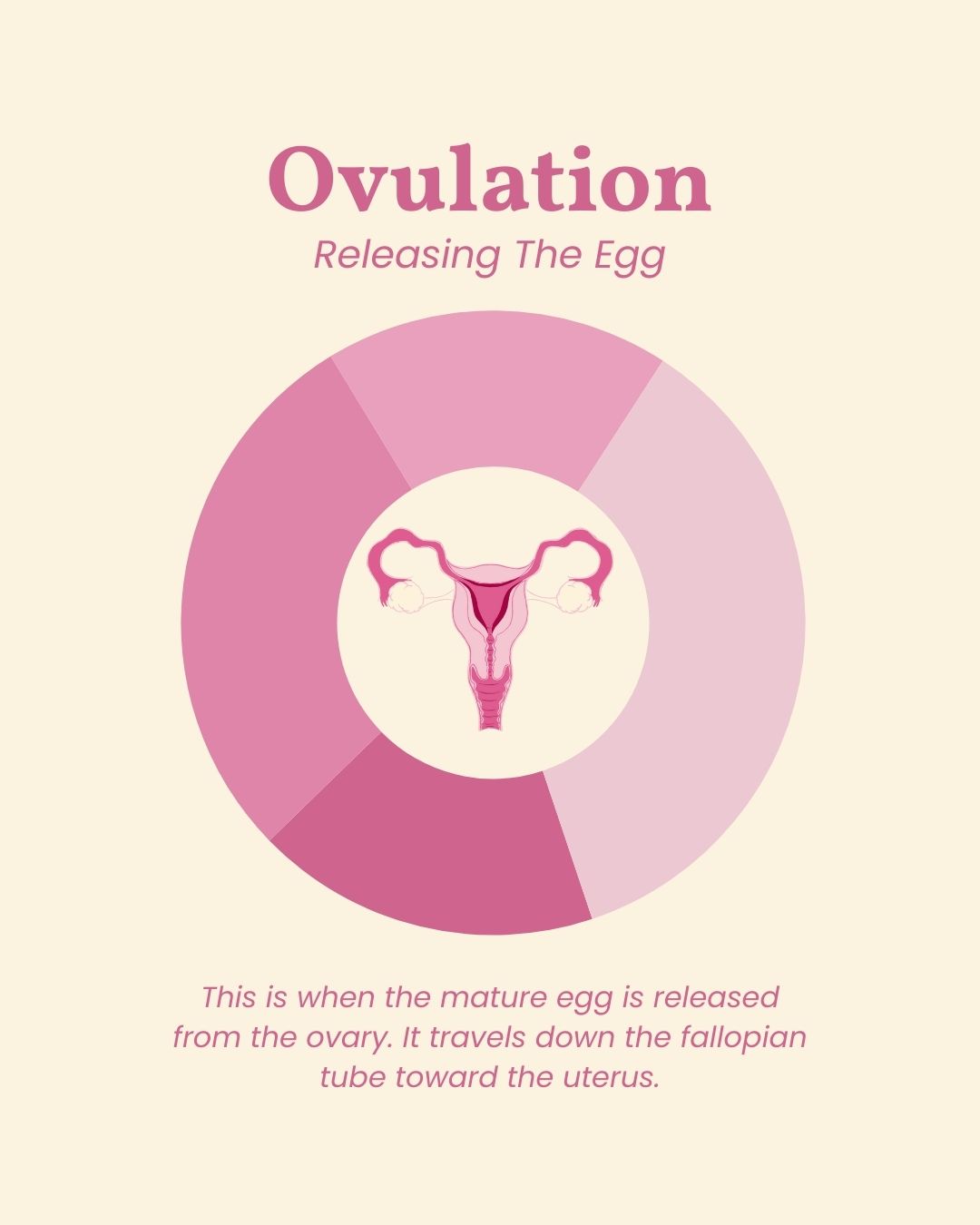
Releasing the Egg
- What it is: This is when the mature egg is released from the ovary. It travels down the fallopian tube toward the uterus.
- When it happens: Usually about 2 weeks before your next period.
- The Fertile Window: The 5 days before ovulation and the day of ovulation are when you are most likely to get pregnant if you have sex.
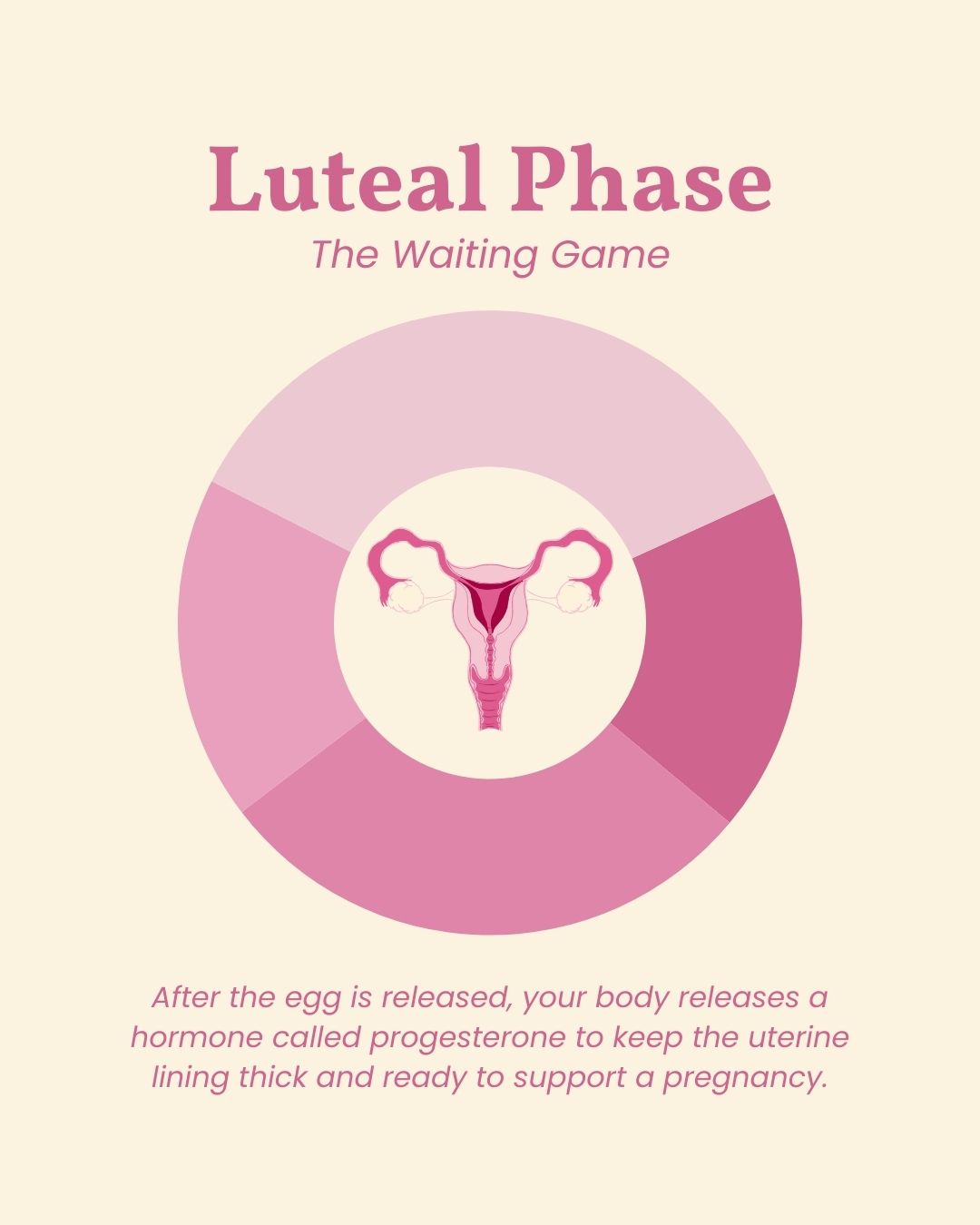
The Waiting Game
- What it is: After the egg is released, your body releases a different hormone called progesterone. This hormone keeps the uterine lining thick and ready to support a pregnancy.
- What happens next:
- If the egg is fertilized: You become pregnant and you won’t get your period.
- If the egg is not fertilized: Your body realizes it’s not needed. The hormone levels drop, the thick uterine lining sheds, and you get your period again. The whole cycle starts over!
Fertility Window
The period within your menstrual cycle when you are most likely to get pregnant. It lasts approximately six days long; the 5 days before ovulation and the day of ovulation itself.
Premenstrual Syndrome
Before your period, you might feel some physical and emotional symptoms. This is called PMS. It’s completely normal. Physical symptoms include cramps, bloating, headaches, tiredness, sore breasts, acne, whilst emotional symptoms include mood swings, irritability, feeling sad or anxious, and food cravings.
Common Menstrual Myths
Myth
You can’t take a bath or wash your hair on your period.
Fact
Good hygiene is extra important during your period! Taking a bath or shower is perfectly safe and healthy.
Myth
Washing your underwear after your first period and using it to wipe your skin will prevent pimples.
Fact
This practice is unhygienic and has no effect on acne.
Myth
Doing things like jumping three times will make your period shorter.
Fact
You can’t control how long your period lasts with tricks. It will last as long as your body needs it to.
Myth
Period blood is dirty.
Fact
It’s a natural and healthy part of the reproductive system. It’s not dirty or disgusting.
Menopause
Think of your body’s reproductive system like a clock. For most of a woman’s life, this clock runs on a monthly cycle, which is the menstrual period. Menopause is when that clock naturally stops. It’s the point in a woman’s life when her menstrual periods end permanently, and she can no longer get pregnant. This is a normal part of aging, not a disease. When you reach a certain age, the ovaries will gradually stop releasing eggs and producing estrogen and progesterone, the hormones that regulate the menstrual cycle.
This usually happens between ages 45 and 55. A woman is officially in menopause after she has gone 12 full months without a period.
Symptoms
Every woman’s experience is different. Some have few symptoms, while others have more. These happen because the body’s hormones are changing. Common symptoms include:
- Hot Flashes: A sudden wave of heat, especially in your face and chest, often followed by sweating and then chills.
- Changes in Your Period: Periods may become irregular, heavier, or longer before they stop completely.
- Sleep Problems: Trouble falling asleep, waking up at night from sweats or to use the bathroom.
- Body Changes: A drier vagina, lower sex drive, mood swings, dry skin, or aching joints.
- Bladder Issues: You might leak a little urine when you sneeze or laugh, or get more bladder infections.
Management
After menopause, it’s extra important to take care of your health because the risk for certain conditions (like heart disease and weaker bones) increases.
- Talk to Your Doctor: They can give the best advice for managing symptoms.
- Healthy Lifestyle: Eating well, staying active, and not smoking are key to staying strong and healthy.
Hormones
Hormones are your body’s messengers. They are chemicals that travel through your blood to tell different parts of your body what to do and when to do it. They help control many important jobs, like how fast you grow, your mood and sleep, how your body uses food for energy, and sexual development and reproduction.
Scientists have identified over 50 hormones in the human body so far, all produced by the endocrine system, but there are 3 main reproductive hormones:
Estrogen
A hormone made by the ovaries that tells the female body when to start and stop processes affecting her sexual and reproductive health.
Progesterone
A hormone whose main function is to prepare the endometrium for a fertilized egg to implant and grow.
Testosterone
A hormone that stimulates the development of male characteristics, and while levels are naturally much higher in males, it is also produced in females by ovaries.
References
https://www.nia.nih.gov/health/menopause/what-menopause
https://www.betterhealth.vic.gov.au/health/conditionsandtreatments/menstrual-cycle
https://my.clevelandclinic.org/health/diseases/24288-pms-premenstrual-syndrome
https://www.nestlefamilynes.com.au/pre-pregnancy/ovulation/fertile-window
https://www.rappler.com/moveph/93686-menstruation-hygiene-myths/